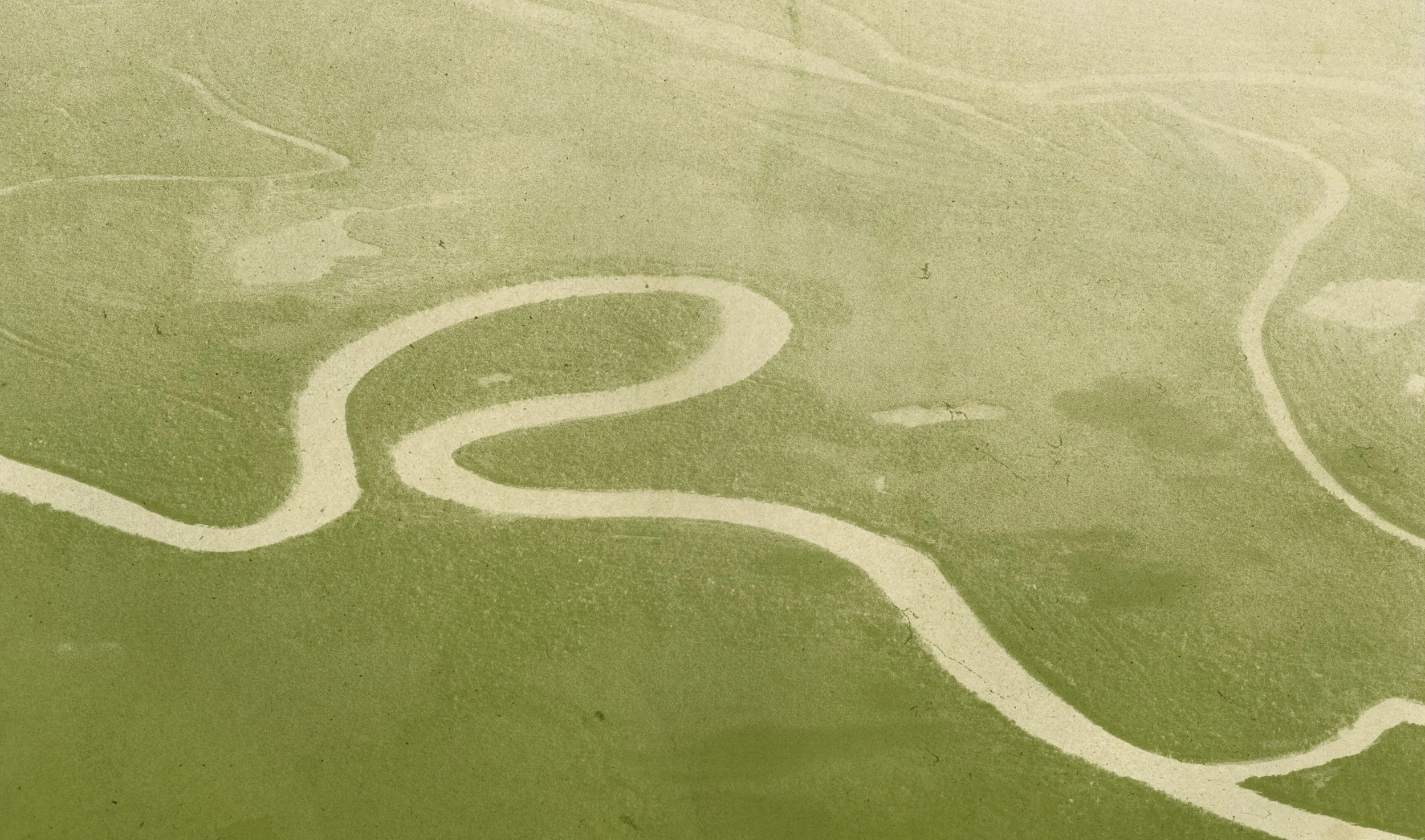
kípatsi
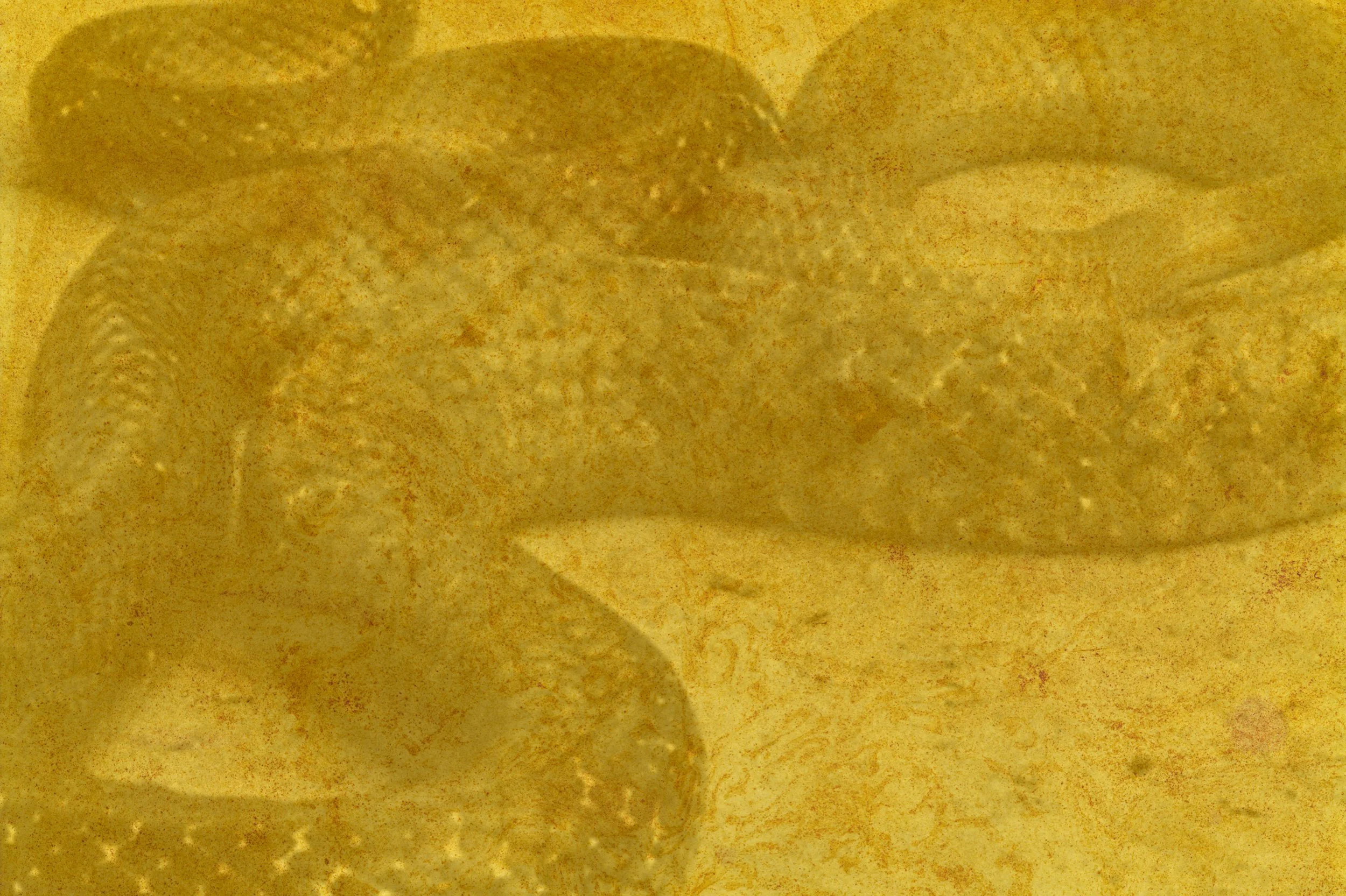
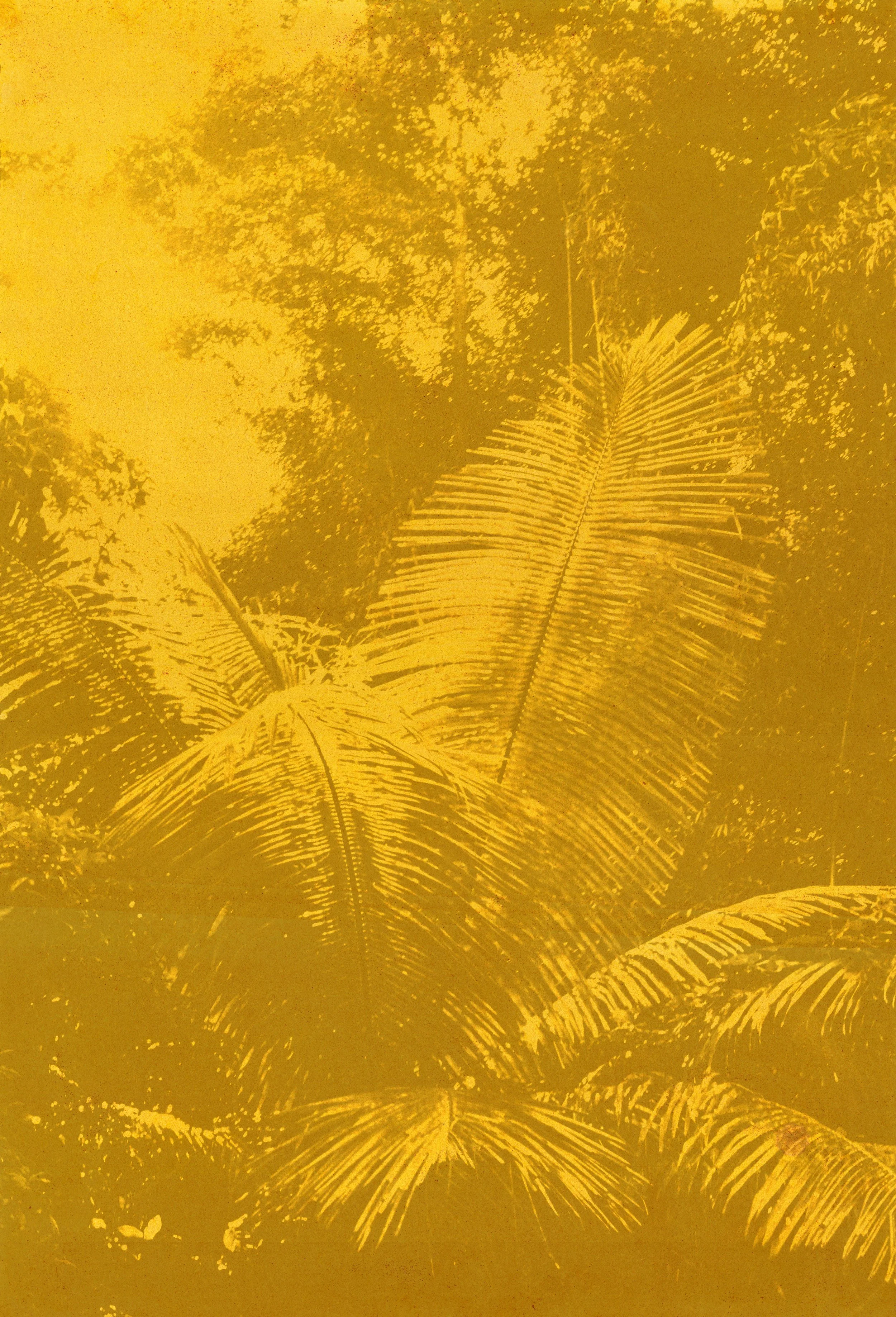
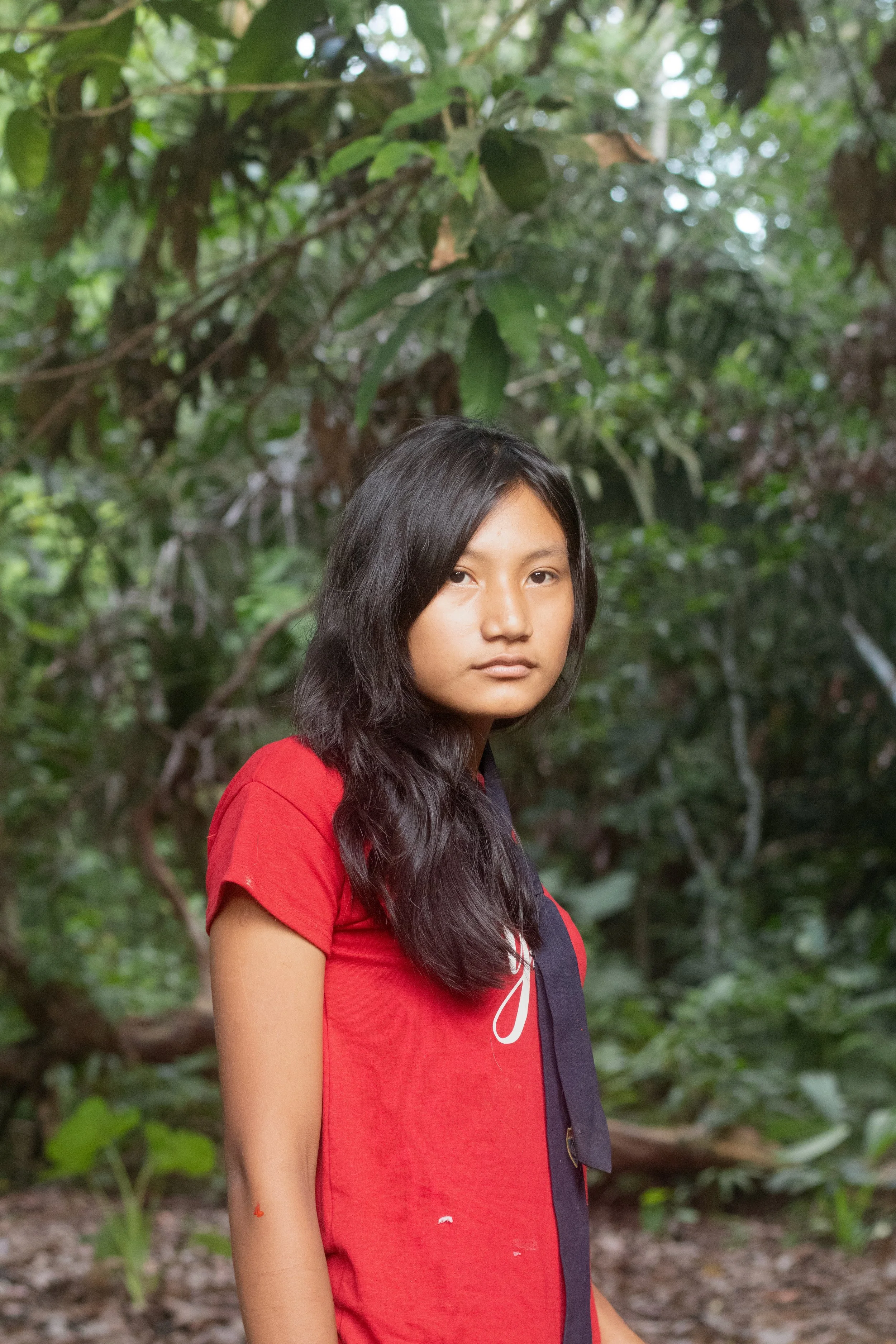
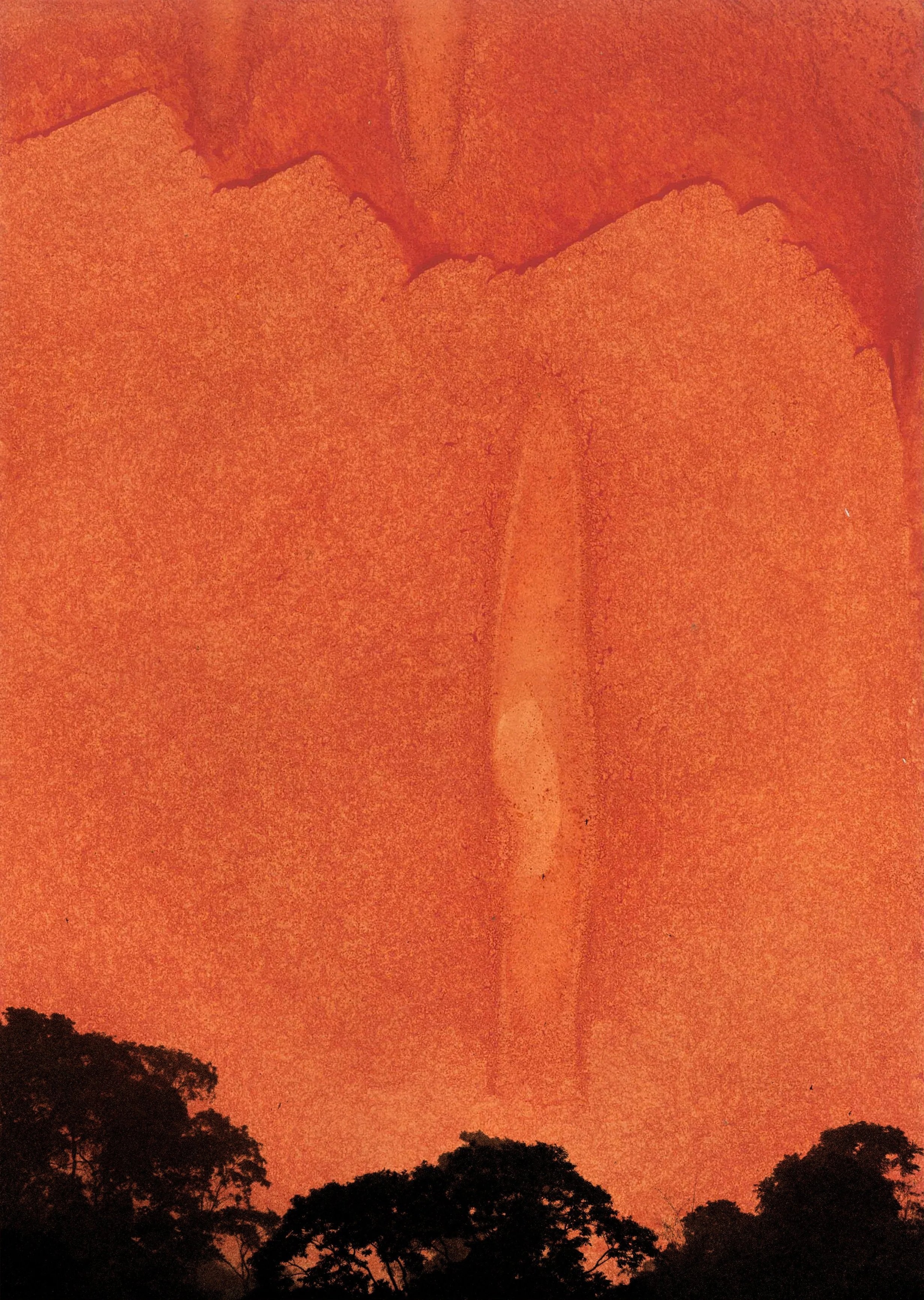
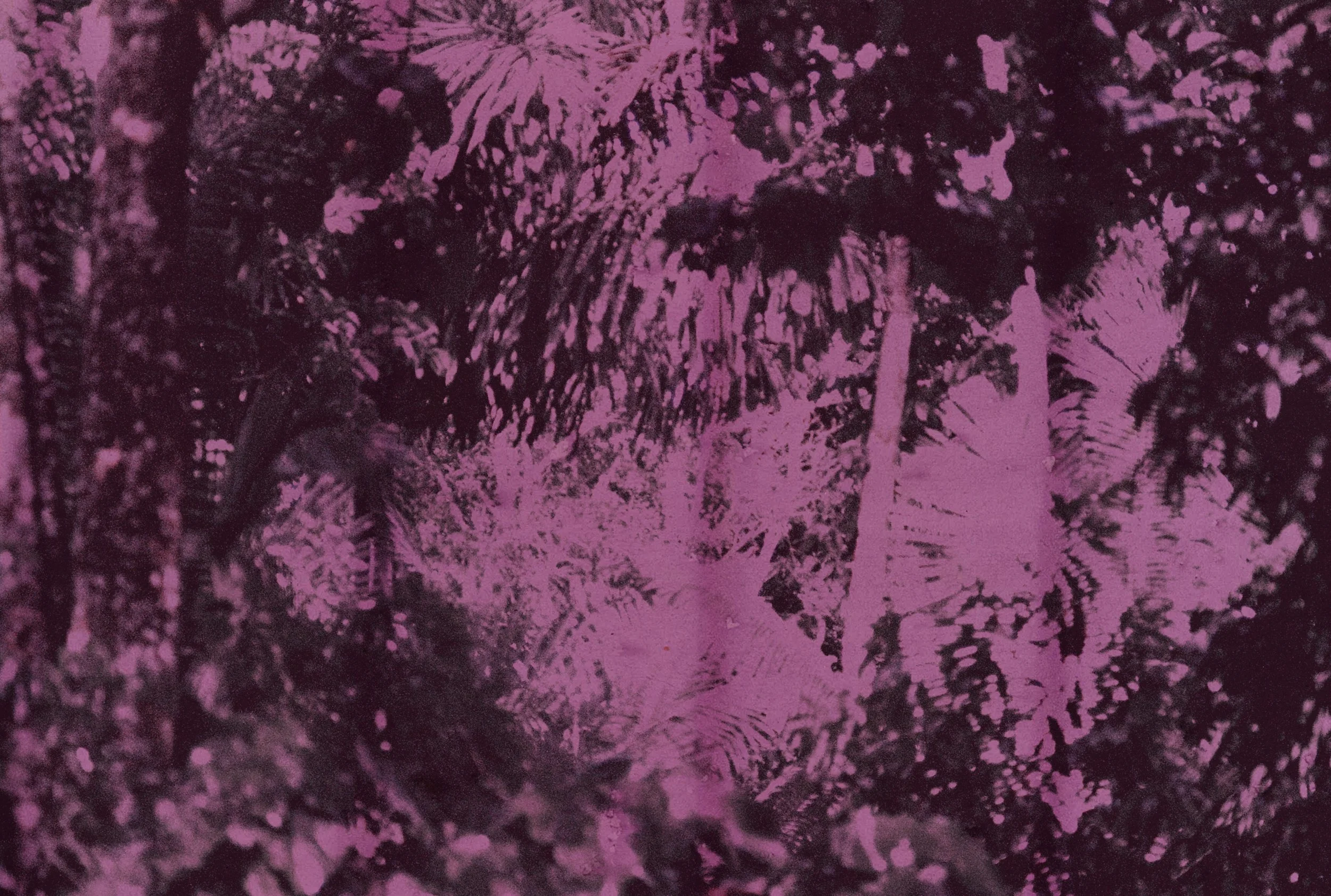
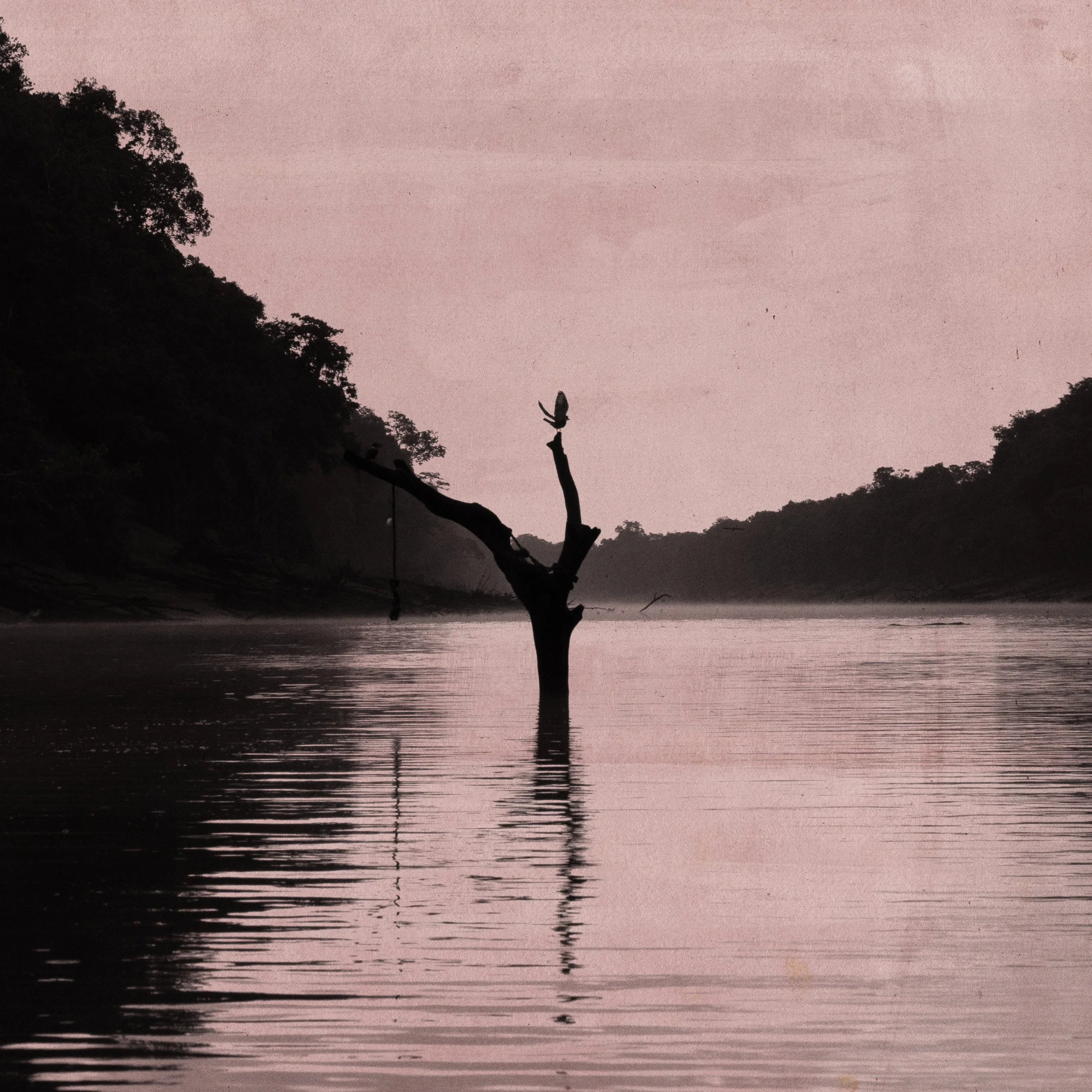
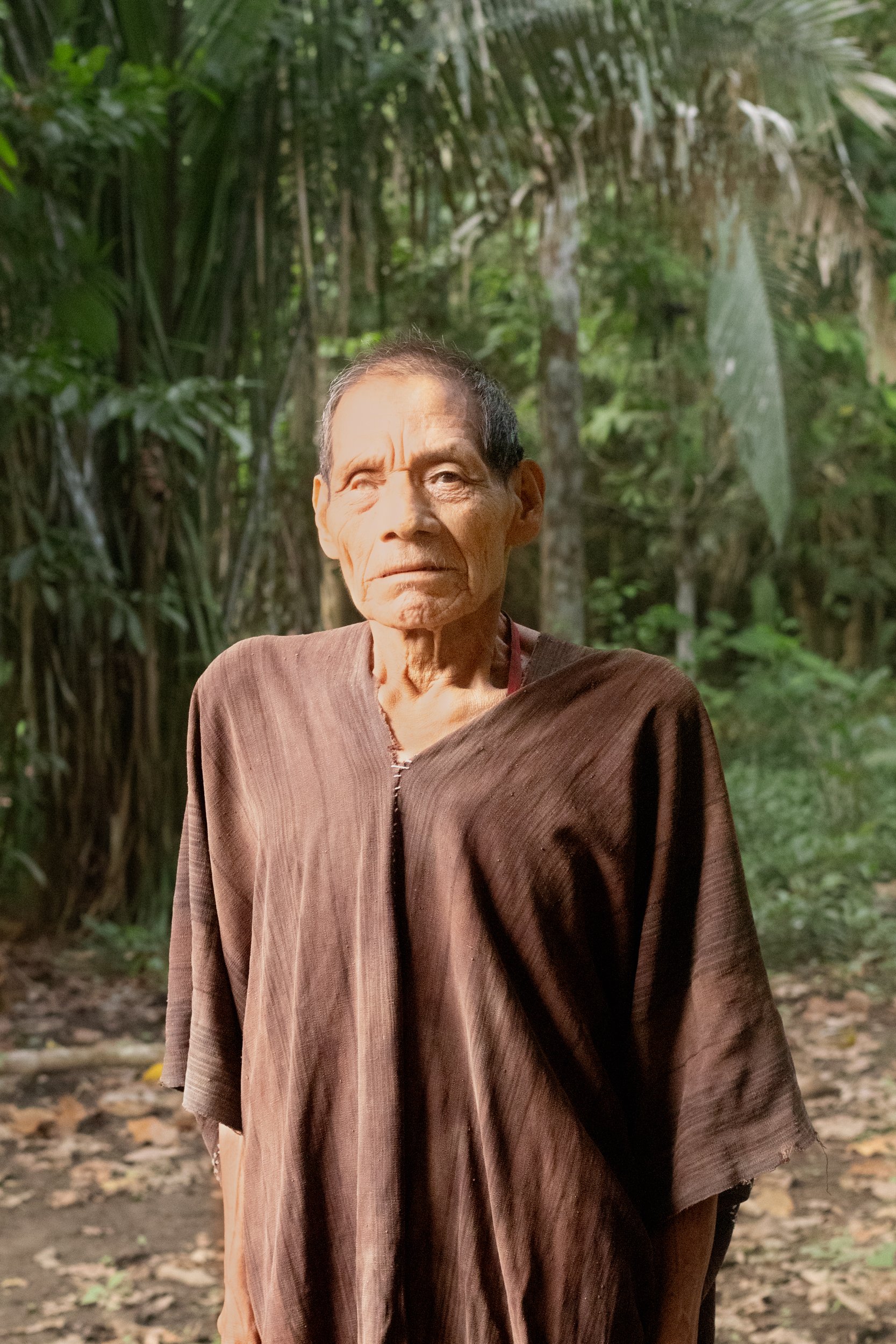
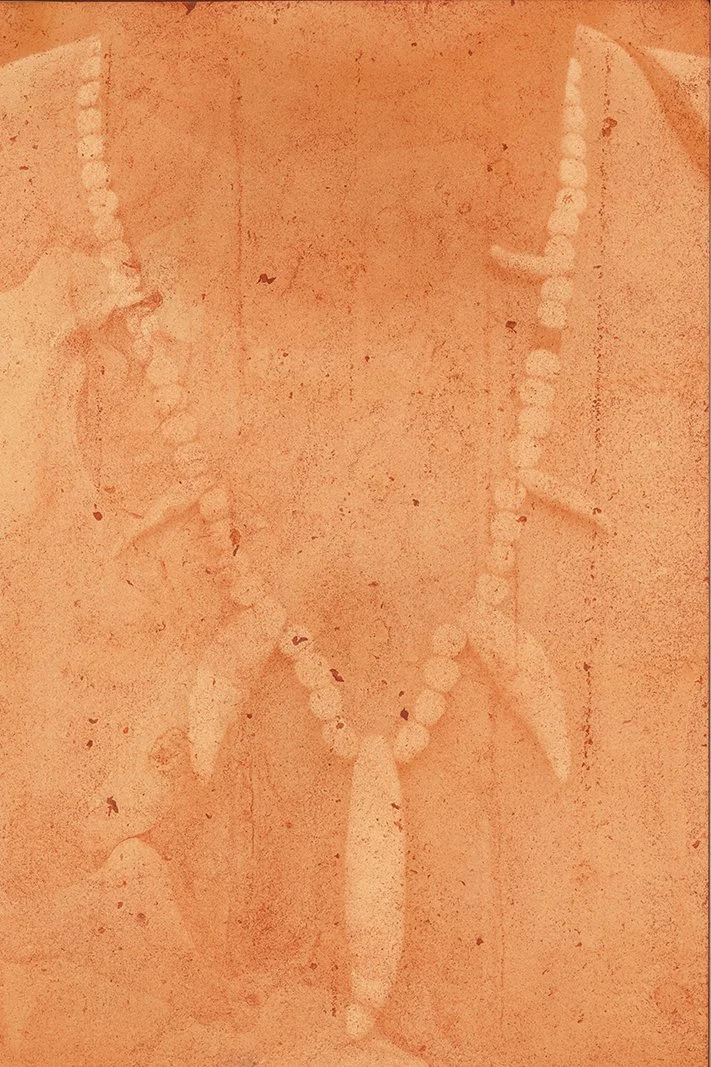
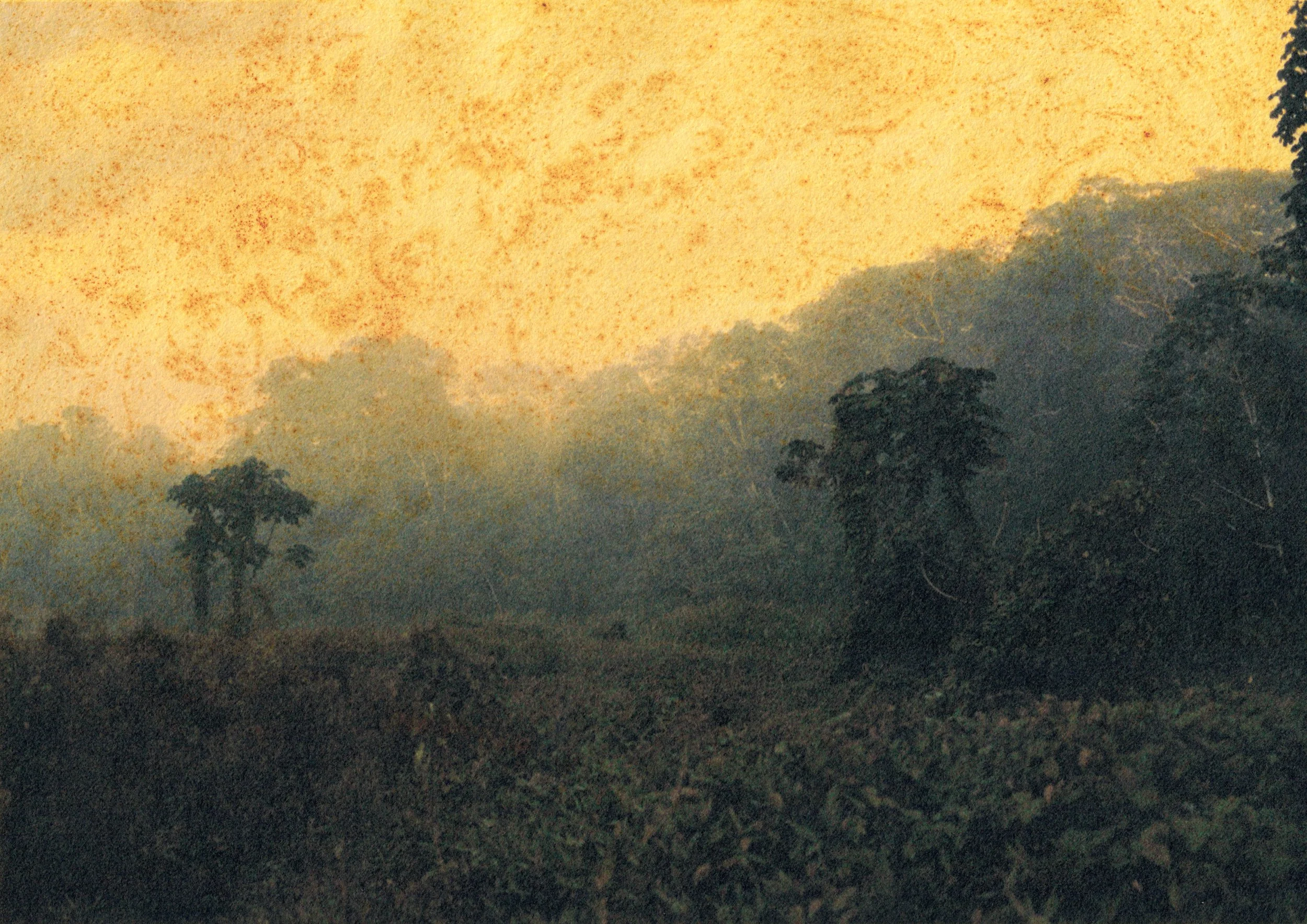
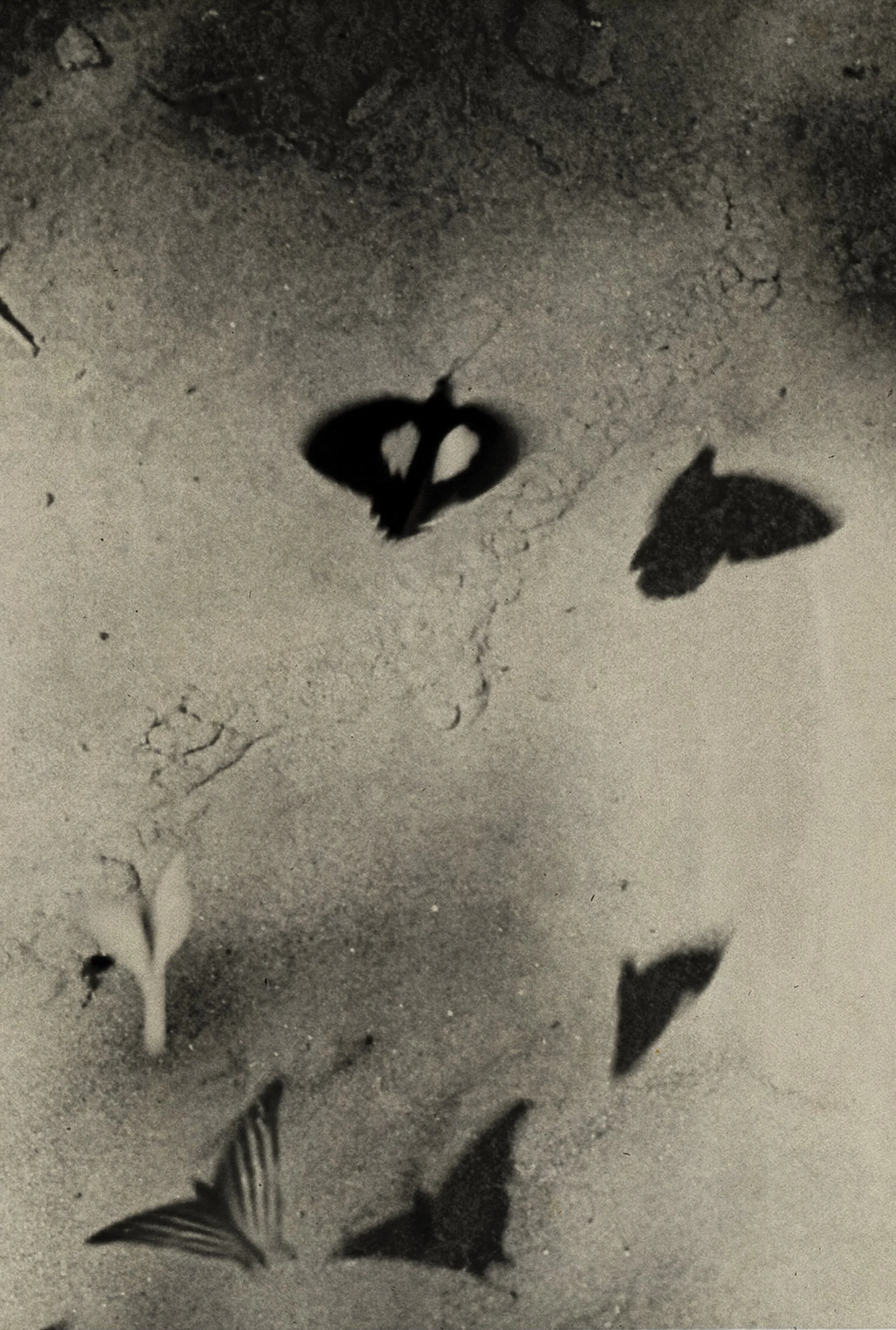
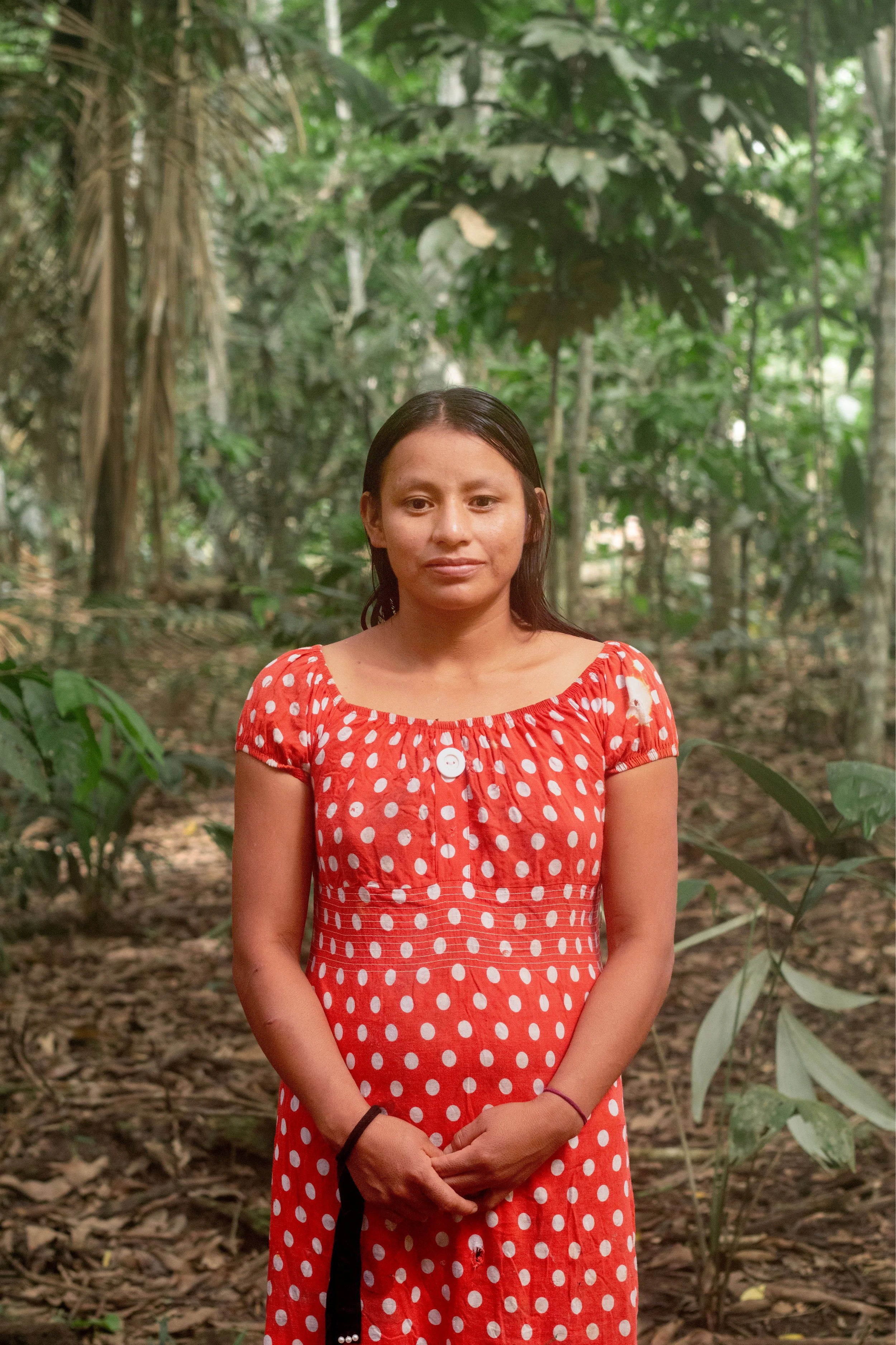
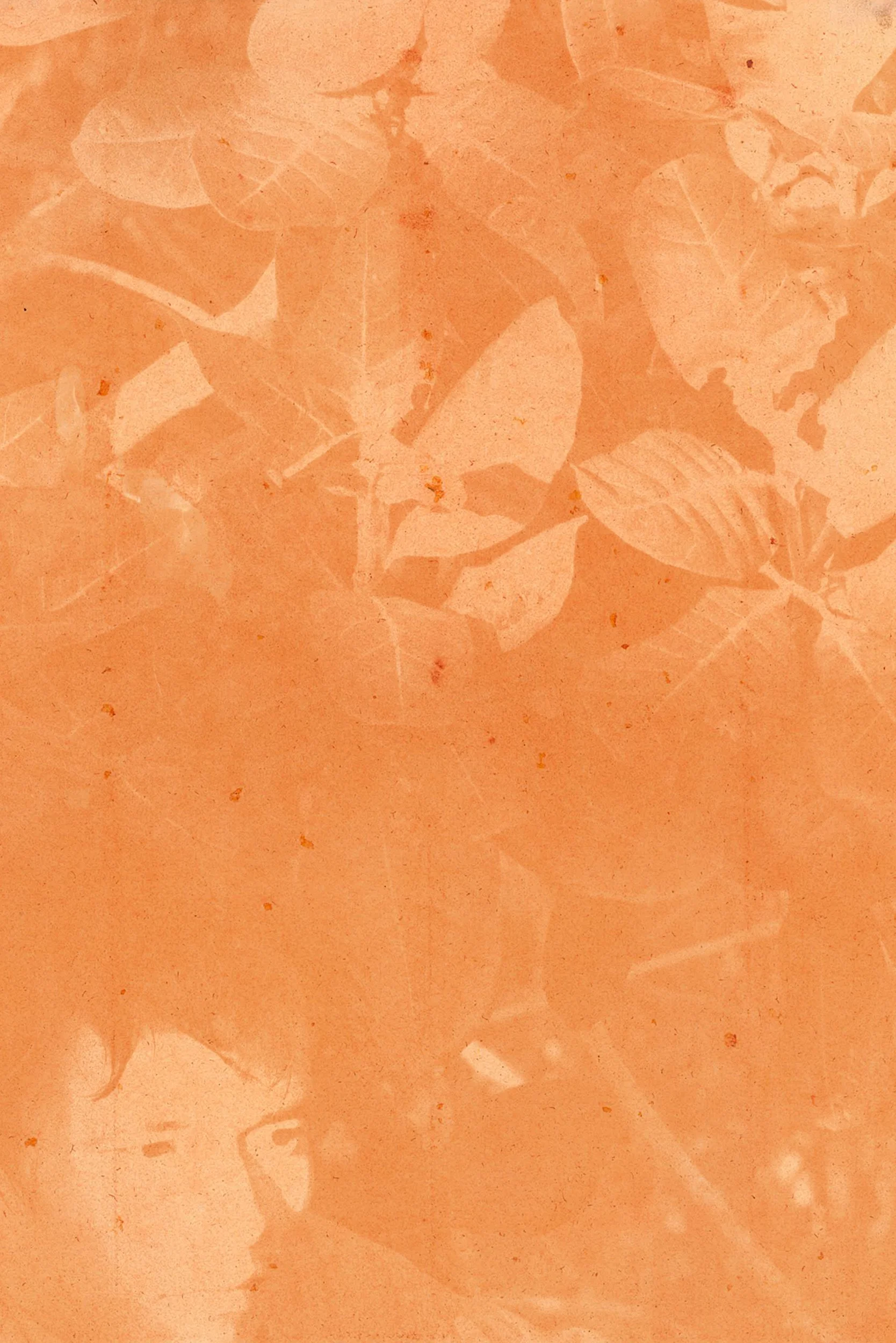
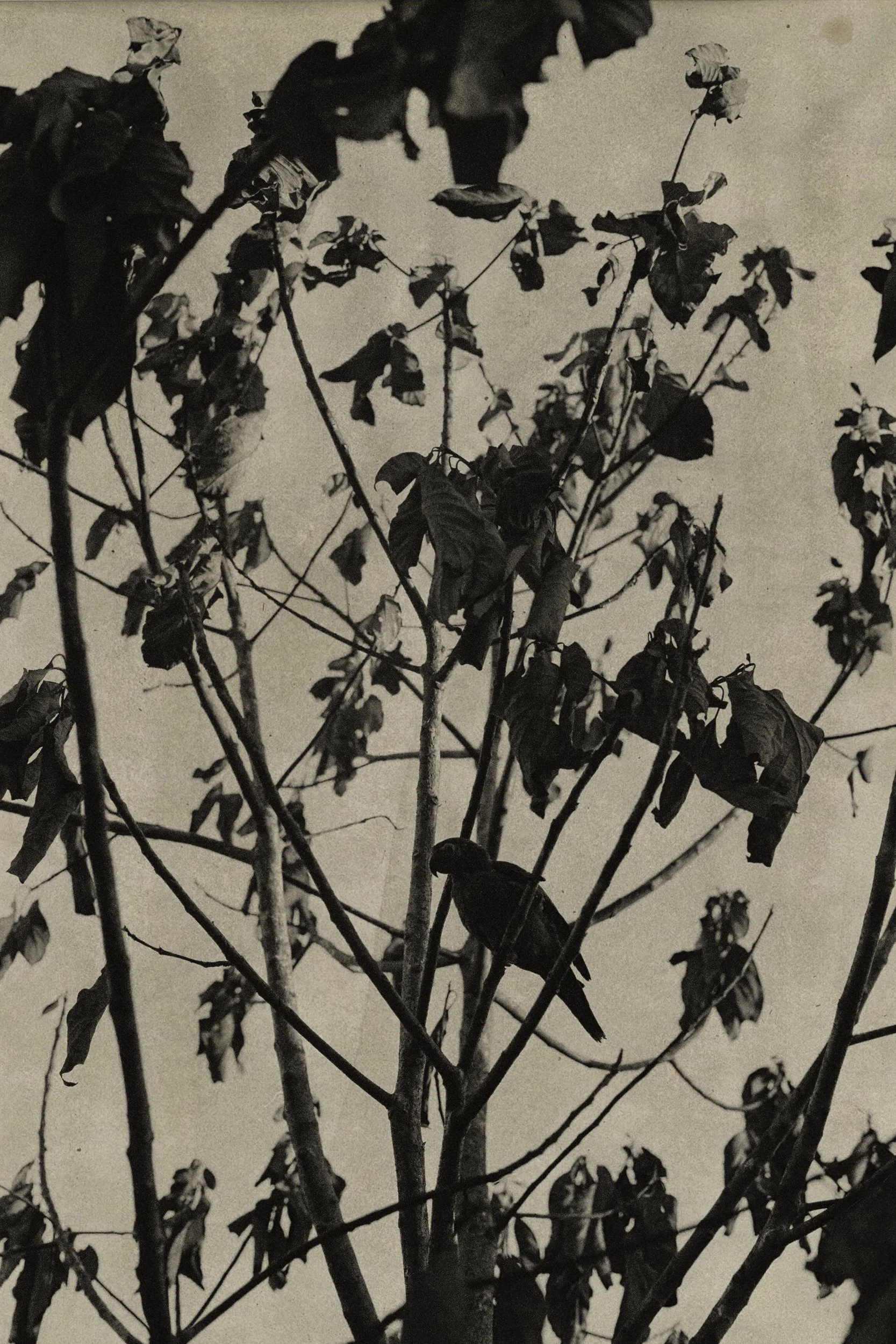
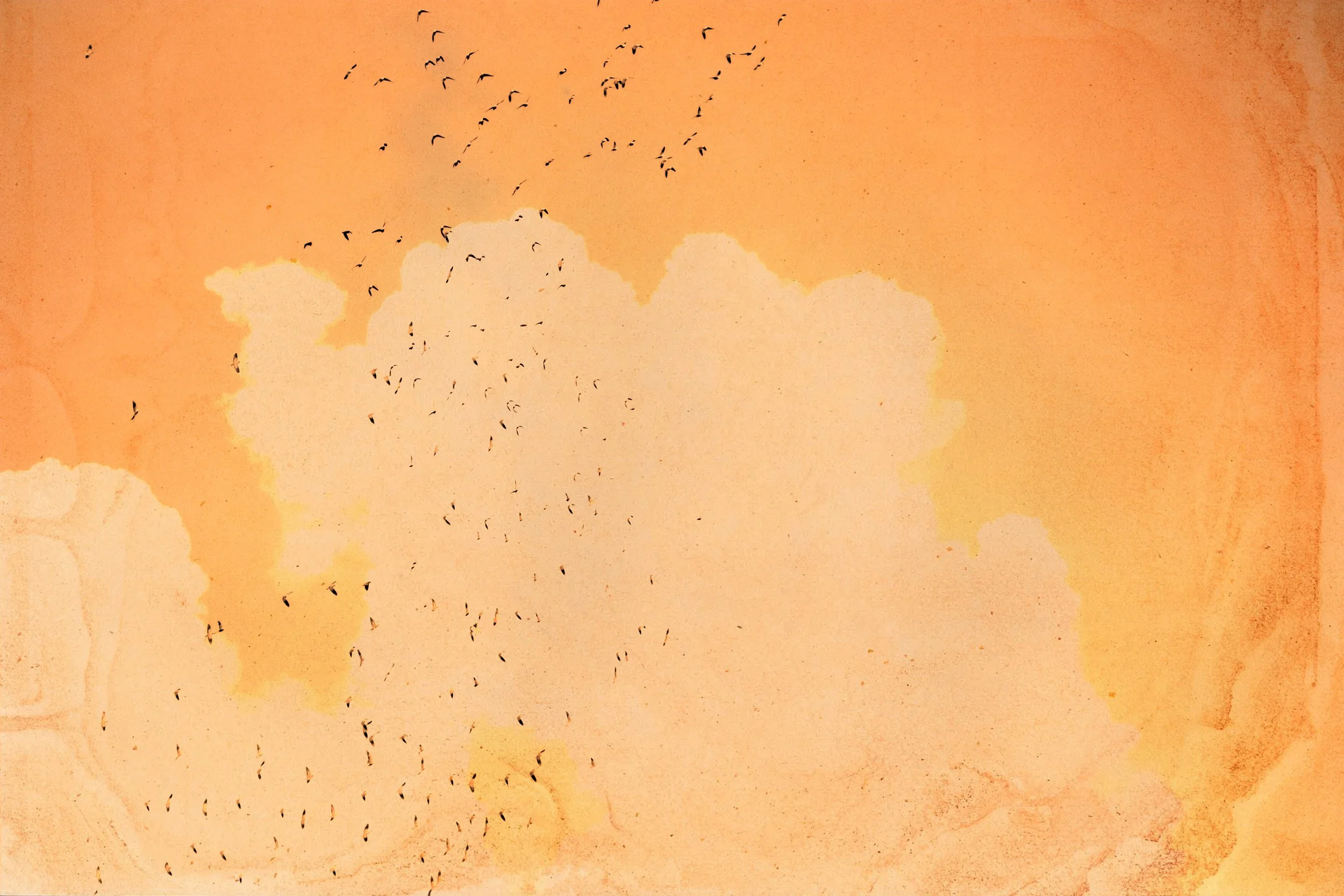
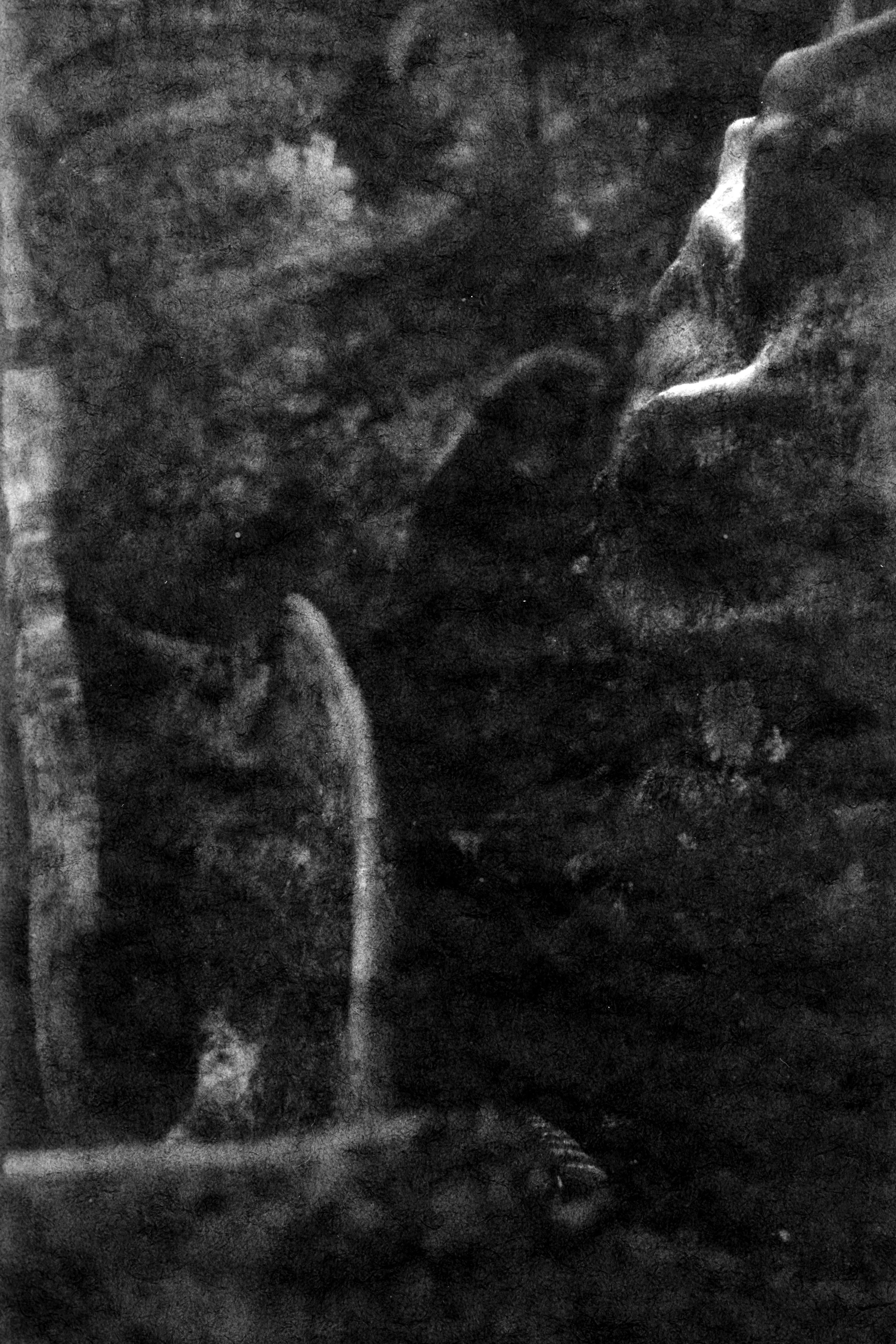
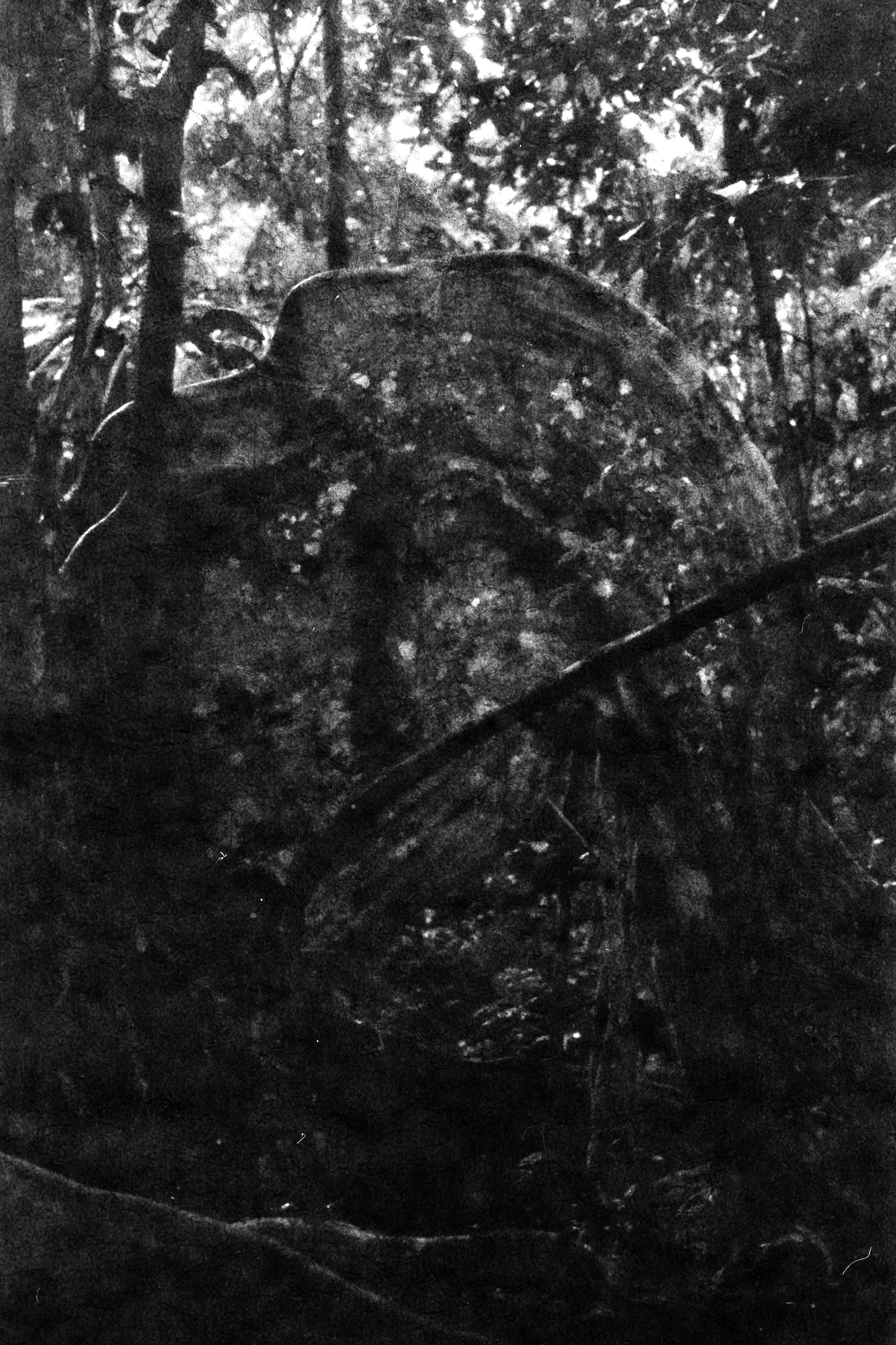
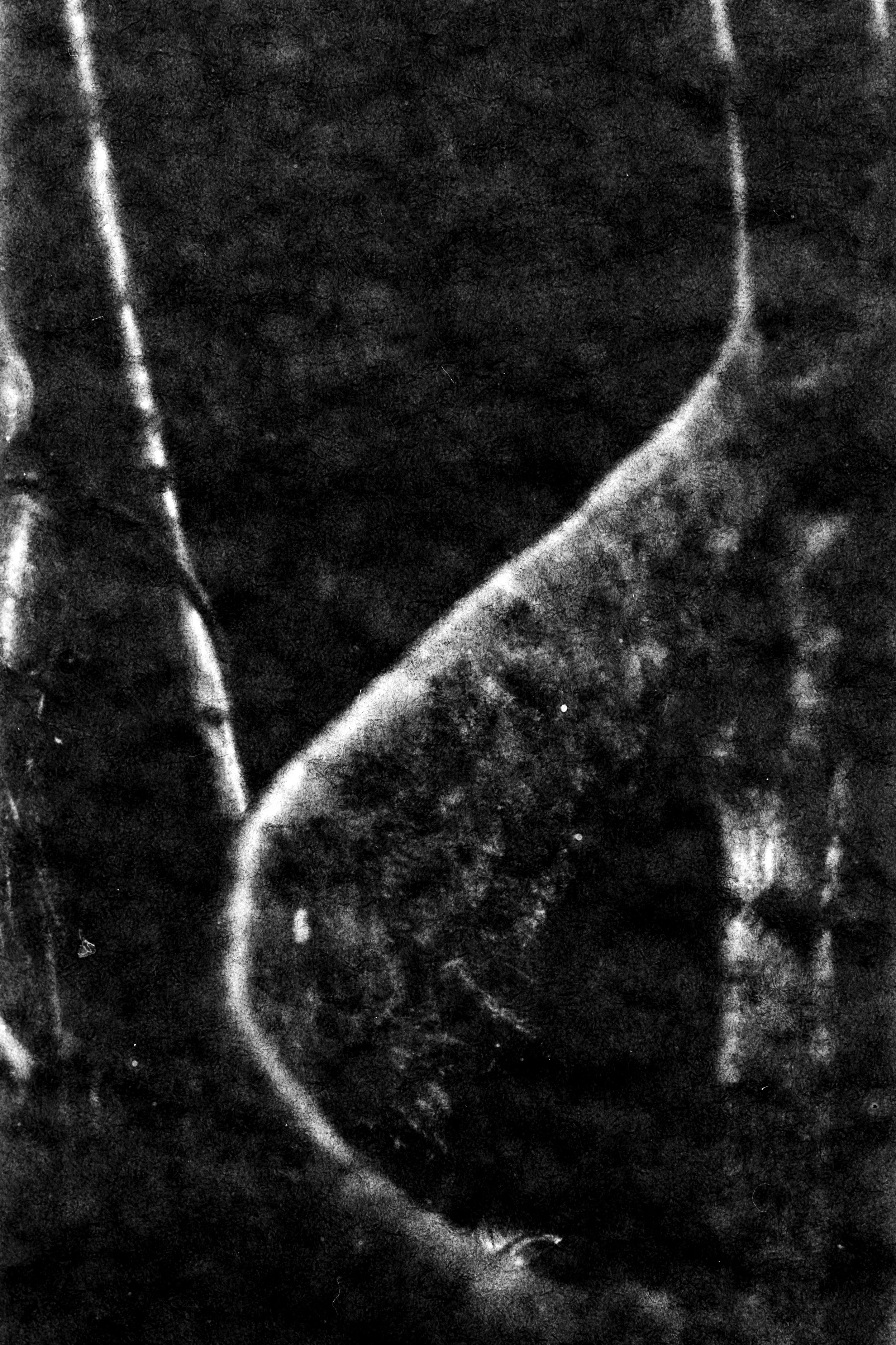
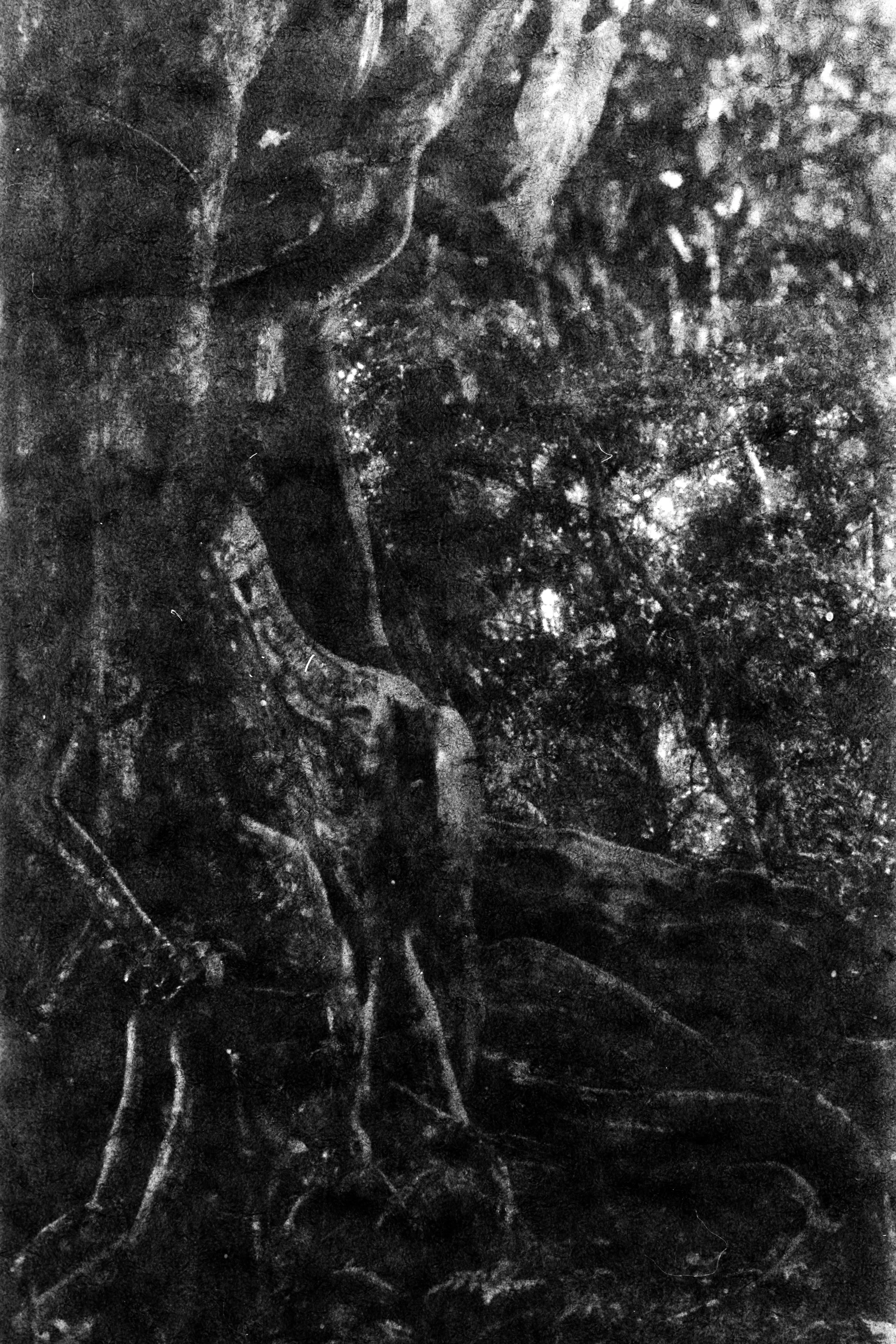
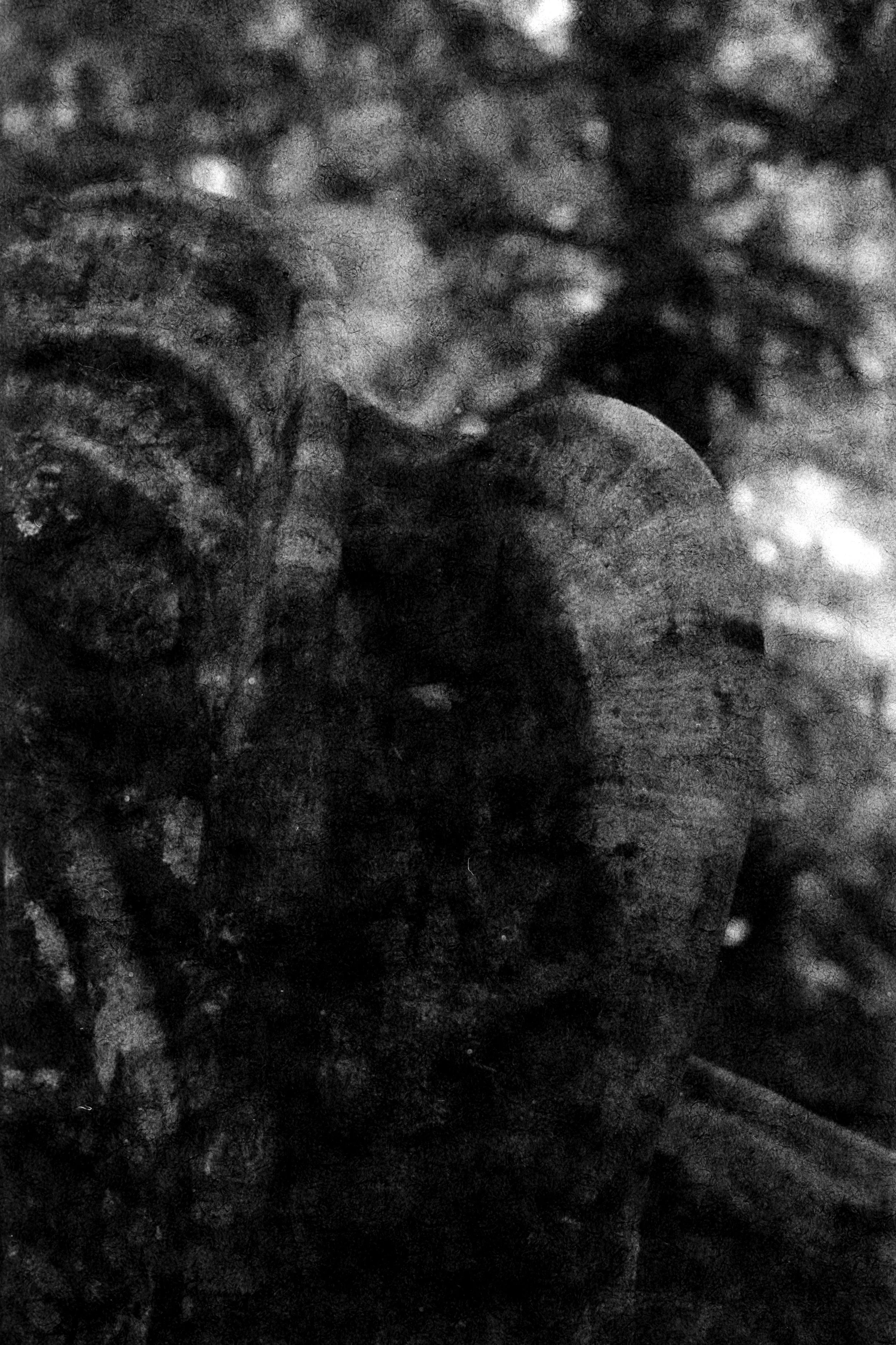
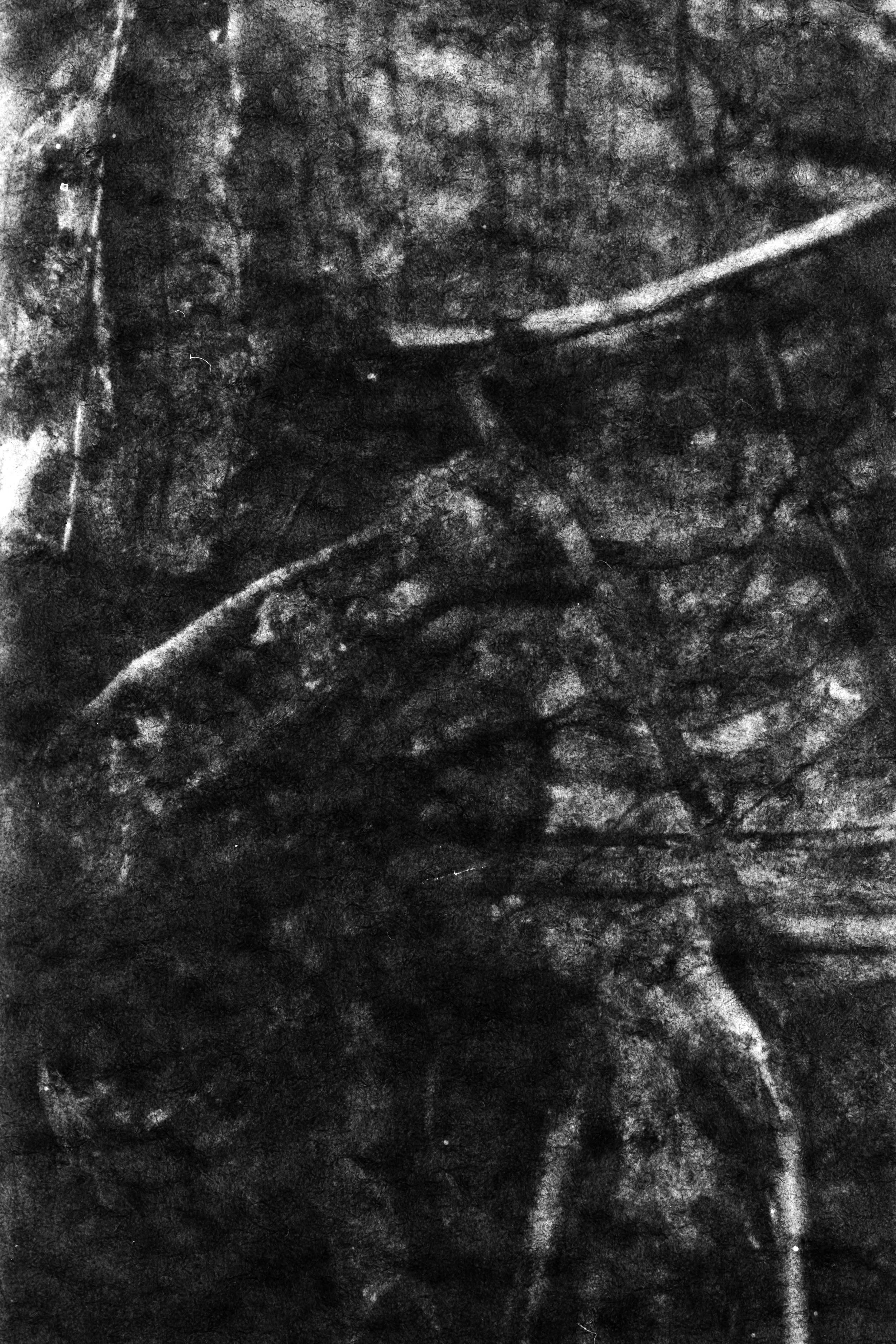
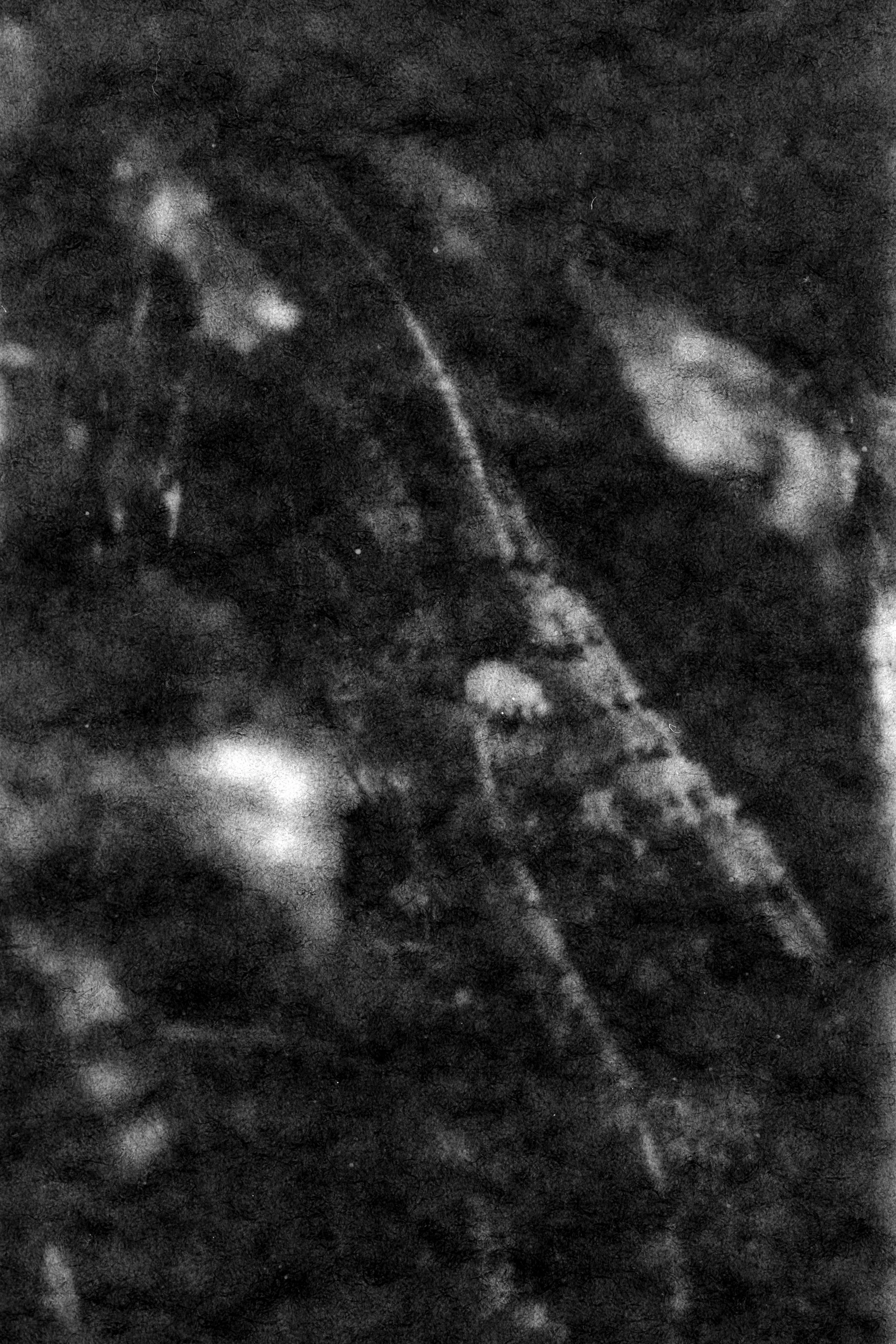
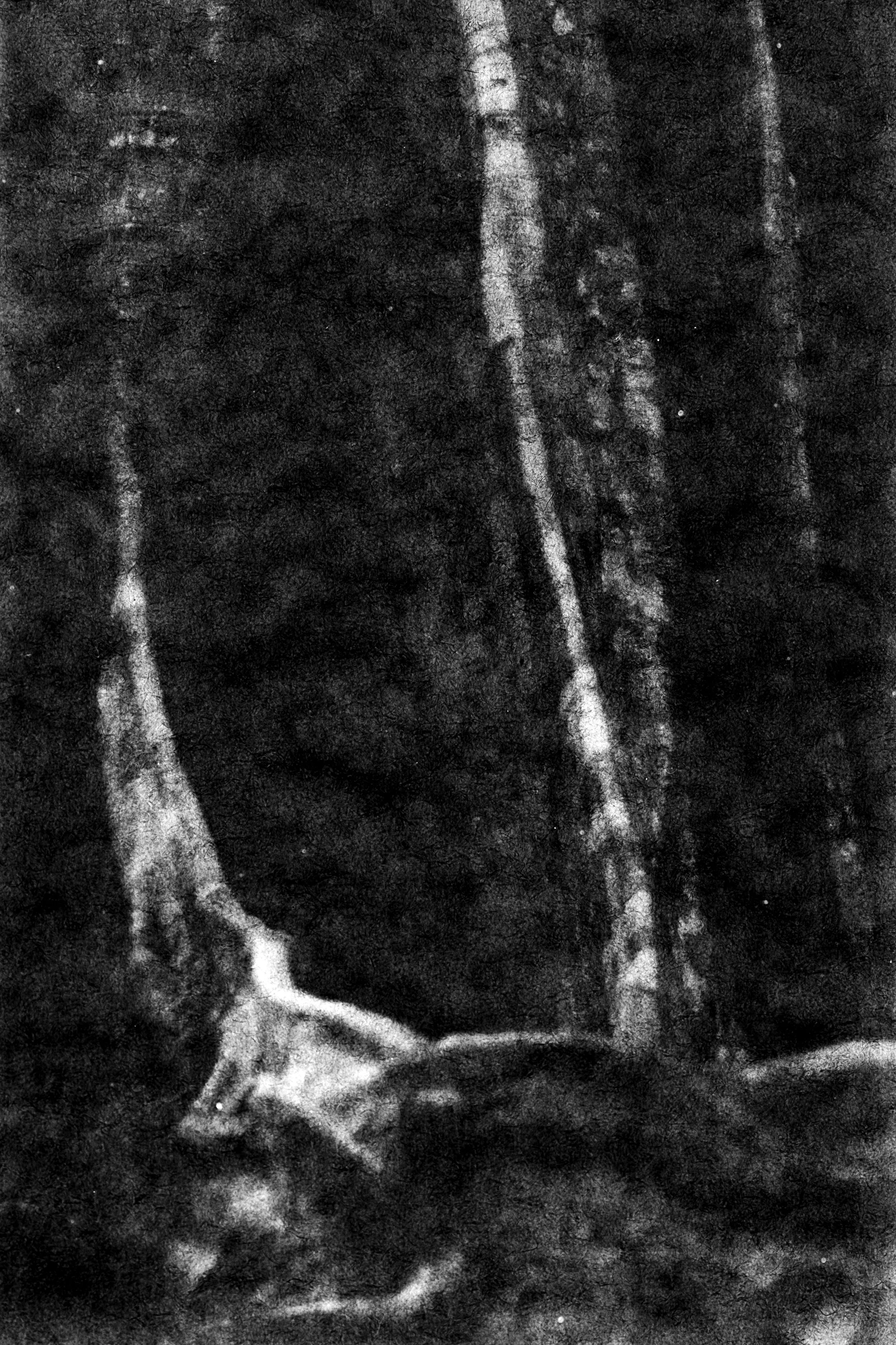
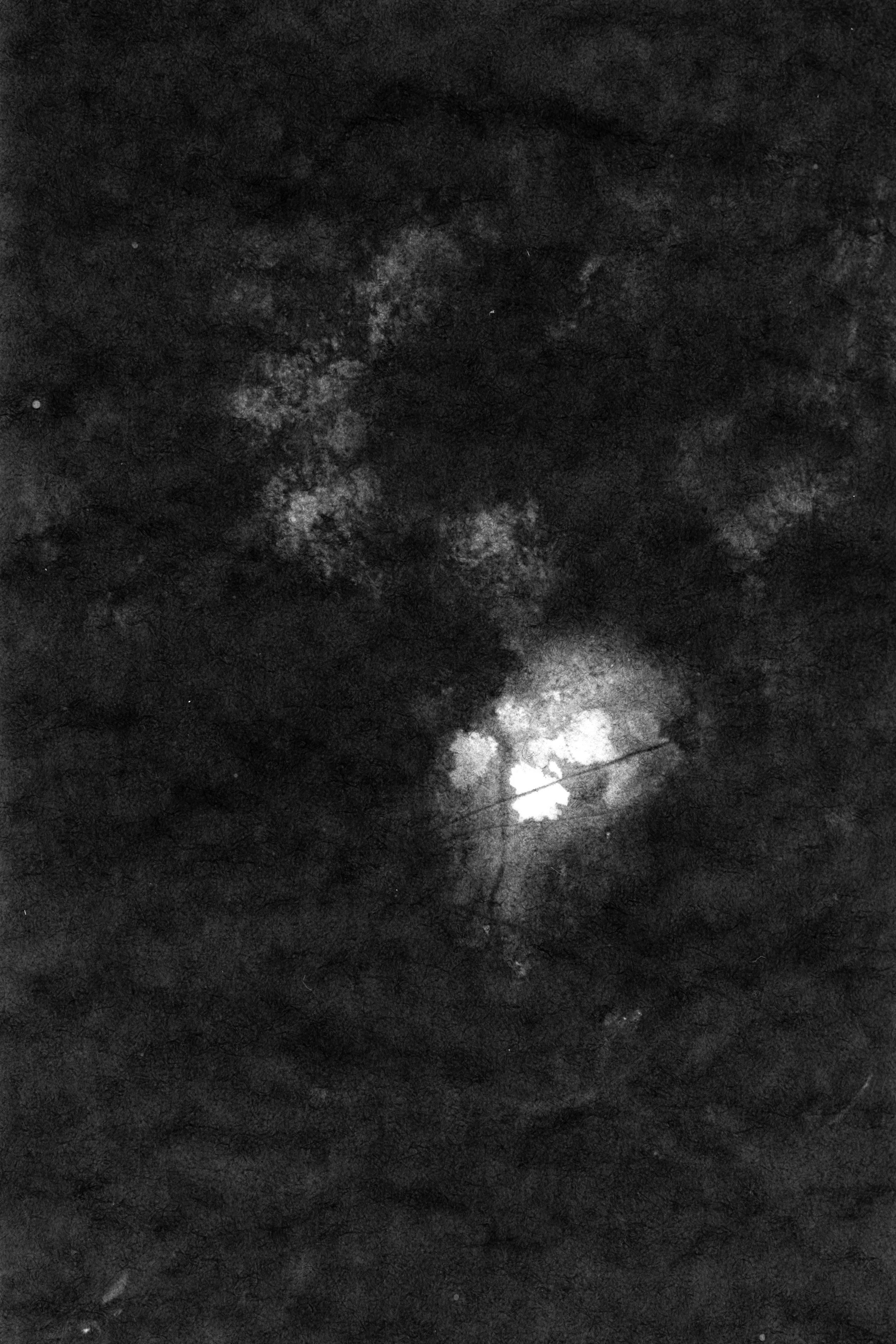
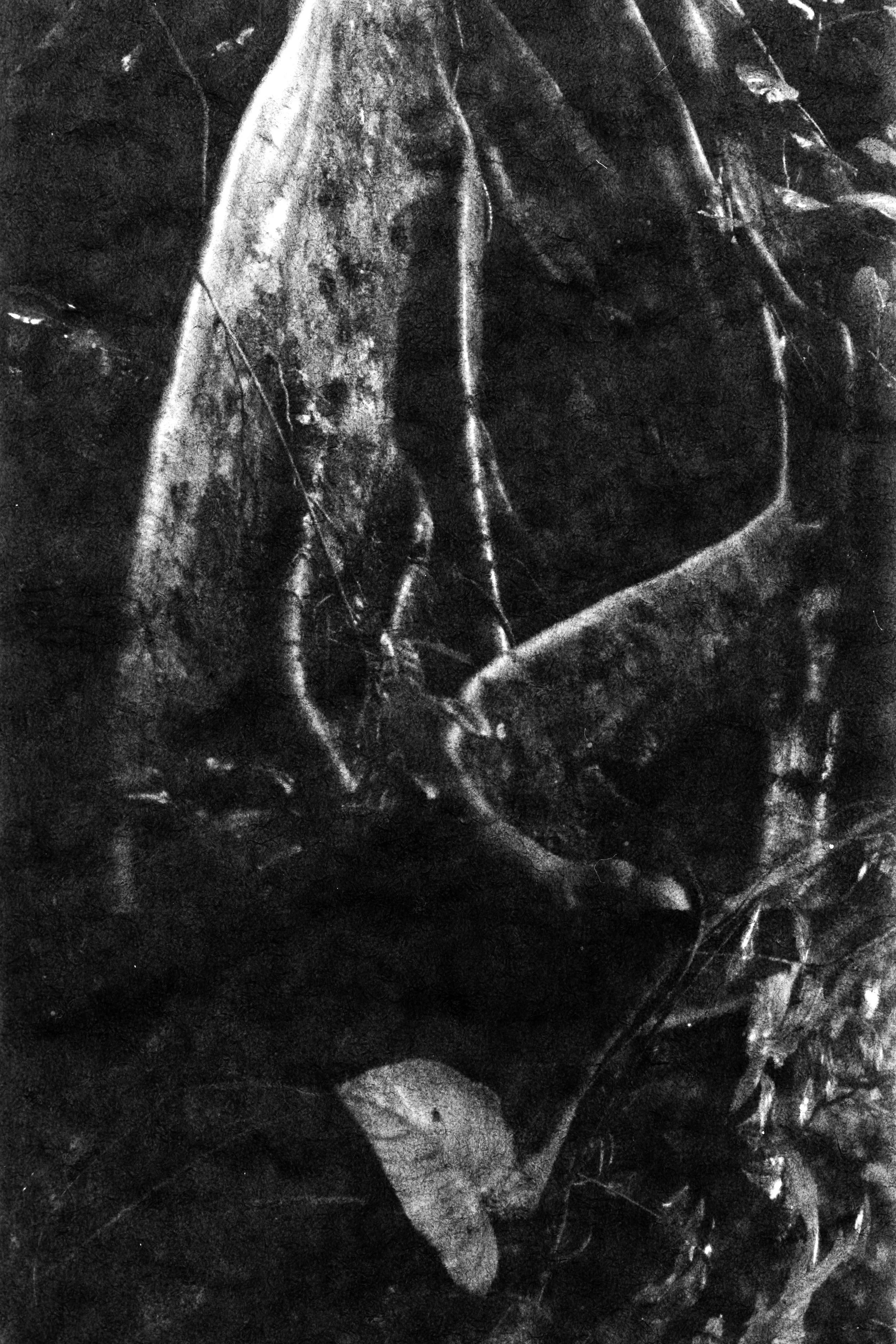
There is no general word in the Matsigenka language for color. Something could be kútari, if it is pale, or it could be kusáari, if it is obscure; the concept itself is unknown to them. What colors are in the eyes of the Matsigenka comes from their observations and interactions with the Amazon jungle, their native land. They would not know blue if there were no macaw feathers, huito fruits or bromeliad flowers. Same goes for every other hue. This primordial relationship is the cornerstone of Kípatsi, a docu-conceptual photographic project that I have undertaken for the past three years. It is a story where nature is as much a narrator as I am, hence turning towards alternative practices that increase its materiality, in substance and design. The imagineku prints (lit., images in her dreams), pictures printed on paper pre-tinted with local natural pigments, are the culmination of the process and the heart of Kípatsi. Collected and prepared alongside native communities, their variations and imperfections are a testament of nature’s many characteristics and of the complex bond the Matsigenka have with it.
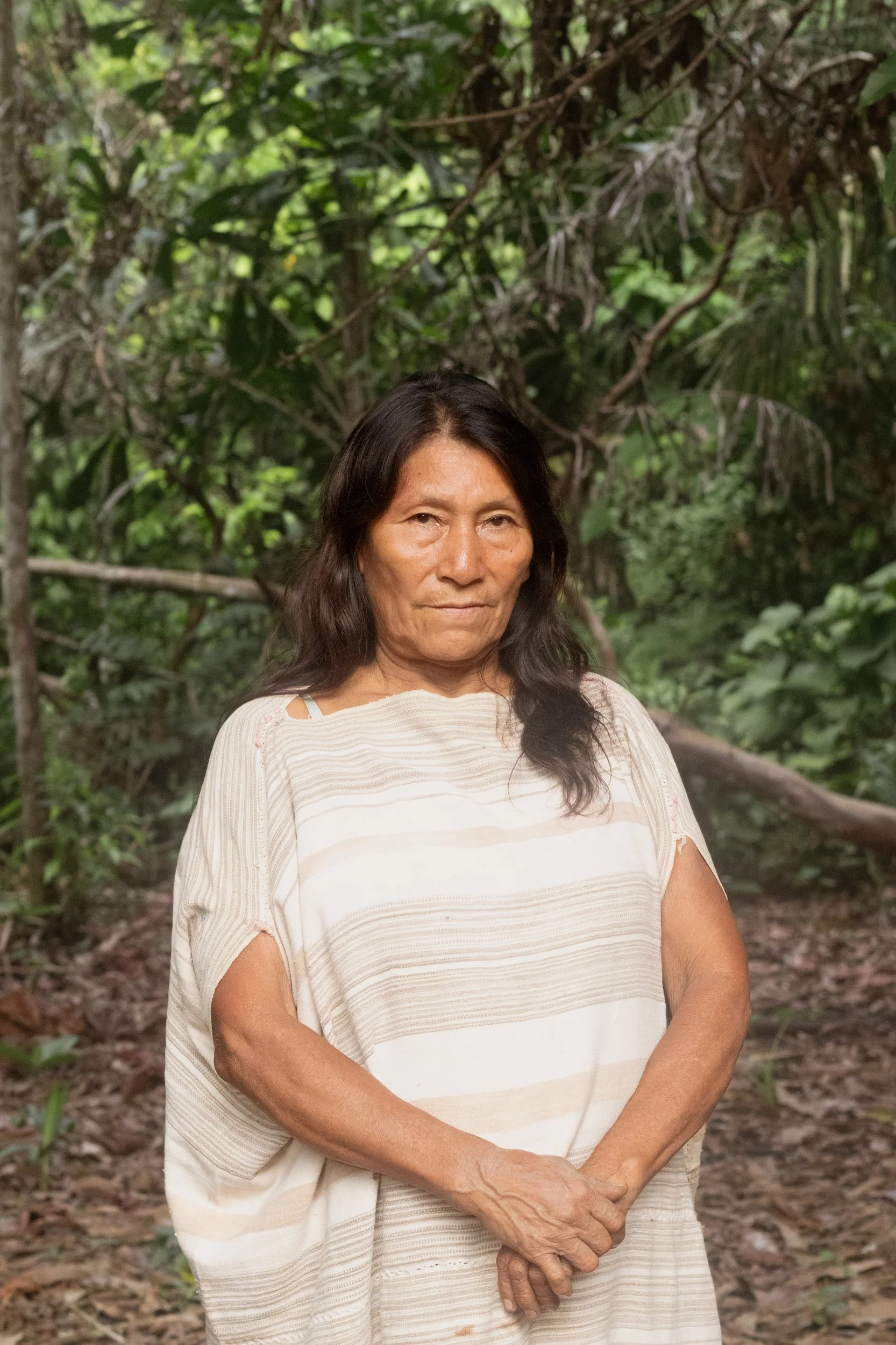
Even though they now have settled down, this bond with nature remains their life’s matrix. However, even in the most remote villages that I visited, it is being corrupted by civilization, and the once pristine jungle has become a frontier area, the setting for their silent fight against illegal activities as well as for the preservation of their ecosystem. By creating a dialogue between the Matsigenka’s conception of nature, its changing reality and my interpretation of it, Kípatsi finds and relays essential elements of the relation between Nature and Man with the intention to inspire the viewer to rethink their own.
The artisanal process of the imagineku prints also brings us back to our own association with color. As artists, it was not so long ago that Vermeer, Rothko or Klein made their own experimentations with pigments to move past their time’s confines of color. Unfortunately, industrialisation has installed a layered distanciation, and we now more easily attribute it to a computer color chart or various consumer products than its original pigments and dyes. All things considered, color may be the most universal concept in the world, with artistic, scientific and psychological resonance. At a time when all nuances seem to be erased, what if, as Jung posits, color is the “mother tongue of the subconscious”?
download the presentation pdf here.